THE ULTIMATE BORACAY DIY TRAVEL GUIDE (ITINERARY + BUDGET) 2026
I first visited Boracay in my early twenties as a traveler moving through a scarcity mindset. I was hungry for experience and sights to see but with restricted budget so I would only ‘be there’ for the sake of ticking it off the list of the places I’ve wanted to visit in the Philippines. The trip was rushed, not enough to really see through its beauty. Recently, I found myself returning to Boracay as someone who went home with less photos but definitely got more time and enough in my pocket to spend. Somewhere between those two versions of me, the island shifted from something I was trying to “see” into something I was learning to sit with. Wherever you are in this spectrum, I put together this ultimate Boracay DIY Travel Guide borne out of my experiences in the island that will surely help you in planning your trip.
About Boracay
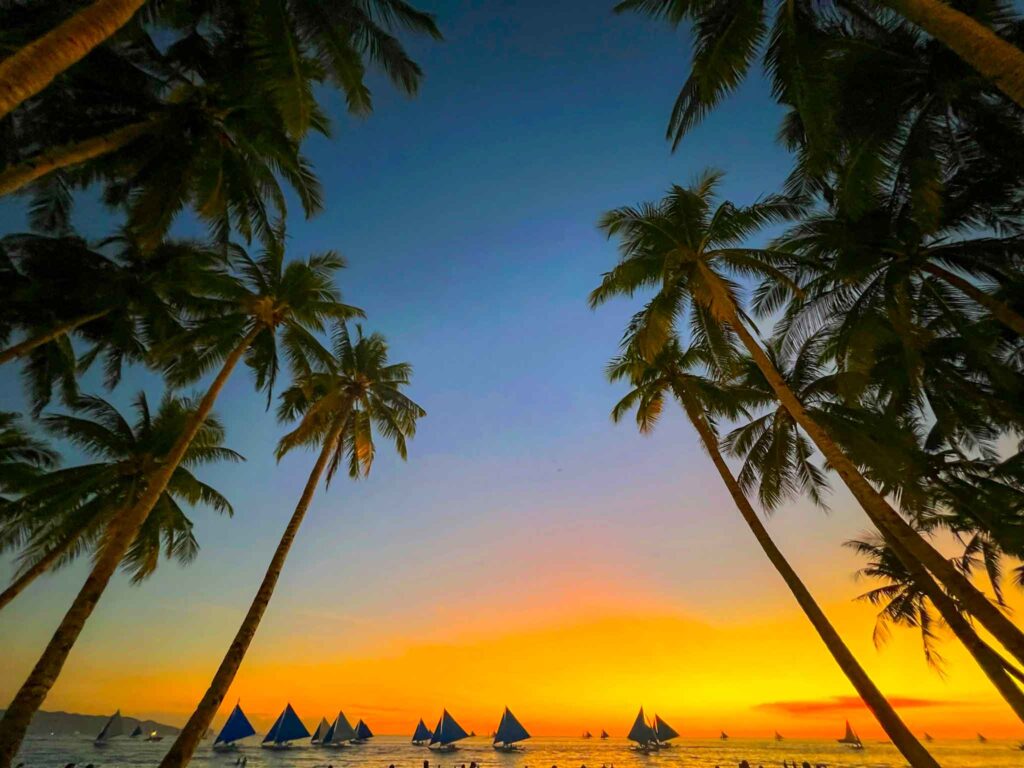
Boracay sits under the jurisdiction of Malay, a first-class municipality in the province of Aklan in Region VI: Western Visayas. Although the island measures only about seven kilometers long, it has built a global reputation for its impossibly fine, bone-white sand made of crushed coral that stays cool even under the midday sun. Over the years, it has consistently earned recognition among the world’s best islands, not only for the postcard-perfect beauty of White Beach but also for its vibrant energy, thriving marine life, and restored ecological balance following its 2018 rehabilitation.
Today, the island organizes its shoreline into distinct stations, each offering a different rhythm—ranging from refined luxury and spacious resorts, to the lively center of dining and nightlife, and finally to quieter, more laid-back stretches. Beyond the shoreline, Boracay continues to reveal its depth underwater, where reefs and dive sites showcase a quieter but equally vibrant ecosystem.
But behind all this beauty and luxury lies a long-standing struggle faced by its original settlers, who continue to fight for recognition and a rightful place in the island they have called home for generations.
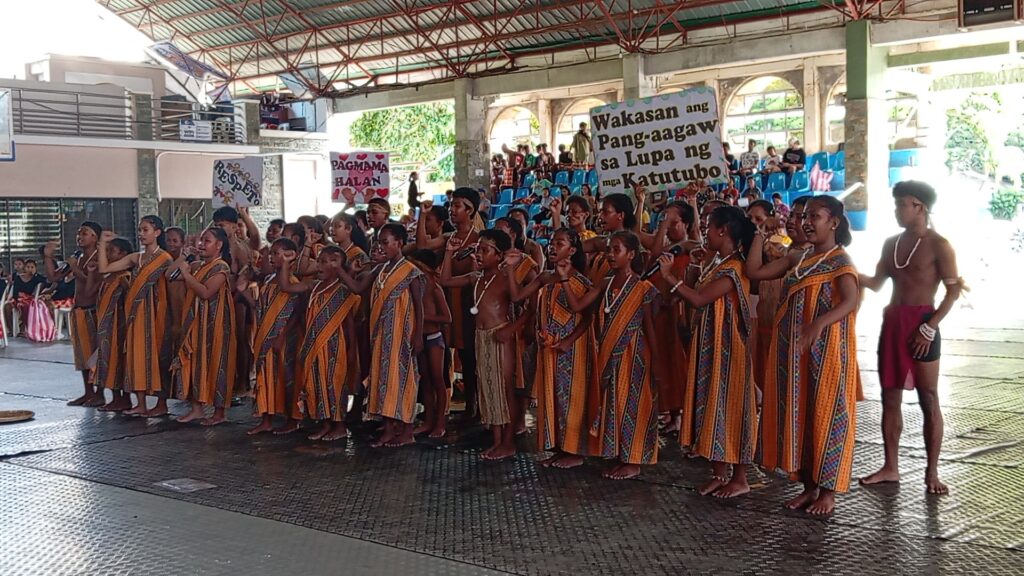
Historically, the Ati people, the island’s original inhabitants, once called Boracay home long before tourism and development reshaped its landscape. However, decades of legal and land-use challenges have significantly reduced their presence, leaving them with only a small portion of ancestral space today. Currently, they are staying in a slice of land in Brgy. Manoc-Manoc with their very own community. In terms of language, Aklanon remains the local tongue, while Filipino and English are widely spoken across tourist areas, making communication easier for both local and international travelers.
Best Time to Visit Boracay
The best time to visit the island is from end of March to May. It’s when you’d see the island come to life with vibrant tropical colors bursting in every corner, of course. It’s important that you manage your expectations as an occasional algal bloom usually happens from February to June. During this time, the shore is covered with algae resulting from a combination of natural seasonal cycles and human-induced nutrient pollution. However, during my recent visit (last week of April to May, 2026), the shore has already cleared.
Another best time to visit the island is during LoveBoracay, Boracay’s official summer celebration, now known as the annual Labor Day weekend festival, held every May 1st as part of the island’s broader tourism campaign. Once home to the iconic, but often unregulated “LaBoracay” parties, the event has since been reimagined after the island’s 2018 rehabilitation. Today, it reflects a more mindful direction for Boracay, shifting the focus toward responsible tourism, environmental awareness, and curated island experiences such as sports and wellness activities.
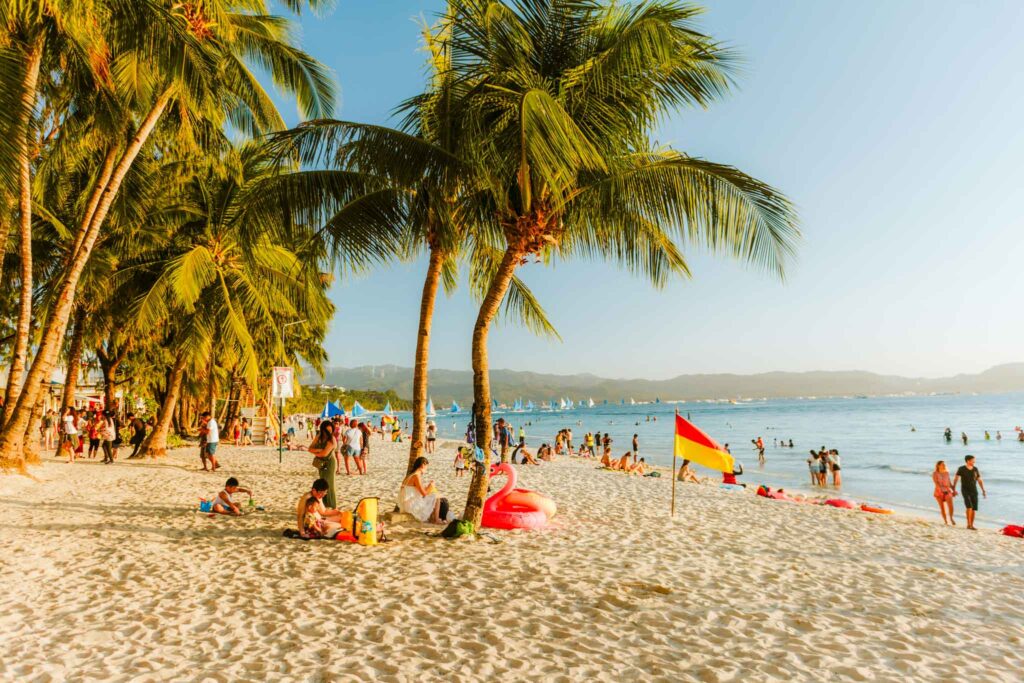
Getting To, Around and Away
How to Get There
You should know that the main entry points to Boracay island include Caticlan and Kalibo. While Caticlan is the nearest and where the most direct flights coming from almost anywhere in the Philippines are, it is usually more expensive compared to when going through Kalibo. Should you wish to enter from Kalibo, you will still have to travel to Caticlan as this is where the jetty ports going to Boracay island are.
By Air
- From Manila, Cebu, Davao and Clark (Pampanga), take a flight to Caticlan Airport (MPH). Carriers like Philippine Airlines, Cebu Pacific and Air Asia have regular flights daily to this airport.
- From the Caticlan Airport, take a van going to Caticlan Jetty Port or Tabon Port. While Caticlan Jetty is the main port, they usually move the transfers from the mainland to Boracay via Tambisaan port when waves are rough or Habagat season. Ride to Caticlan Jetty Port usually costs Php 50.00 to Php 100.00.
By Sea
Another way to get to Caticlan is through an overnight ferry from Batangas to Caticlan Port with 2GO Travel. If you have the luxury of time, you may opt for this as this 11 hours of travel by sea from Batangas City. The trip usually departs in an evening arriving to the port next morning.
By Land from Iloilo
From Jaro, Iloilo, make your way to Tagbak Terminal or Ceres North Bound Terminal. Then, board the bus bound for Caticlan. This trip may take about 6 to 7 hours with the fare ranging from Php 400.00 to Php 500.00. First trip usually departs at 3:00 AM and the last at 5:00 PM.
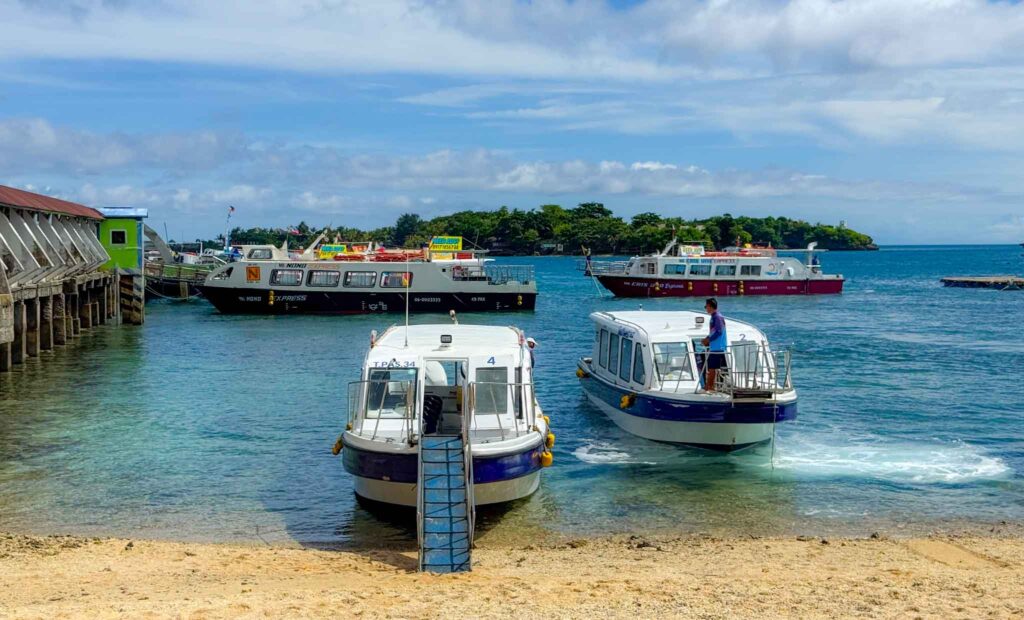
From Caticlan Jetty or Tabon Port to Boracay Island
Once you’ve made it to Caticlan Jetty or Tabon Port, take the necessary steps and pay the corresponding fees:
- Proceed to the ticketing counter and pay for the environmental and terminal fee. As of May 2026, below are observed rates at the port:
| Tourist Type | Environmental Fee | Terminal Fee | Total |
| Foreign | Php 300.00 | Php 100.00 | Php 400.00 |
| Local | Php 150.00 | Php 100.00 | Php 250.00 |
| Person with Disabilities, Senior Citizen and Student | Php 120.00 | Php 80.00 | Php 200.00 |
2. After payment, secure the receipt and proceed to the Tourist Registration and Verification Counter.
3. Once verified, get your ticket and pay an amount of Php 50.00. Then, wait for your turn to get into the boat through the Tourist Exit. Don’t forget to write your passenger details on the ticket.
4. Finally, from Cagban or Tambisaan port, take a tricycle to your hotel.
Upscale hotel and resorts usually have their own lounges, ports and boats that would take you straight to their property.
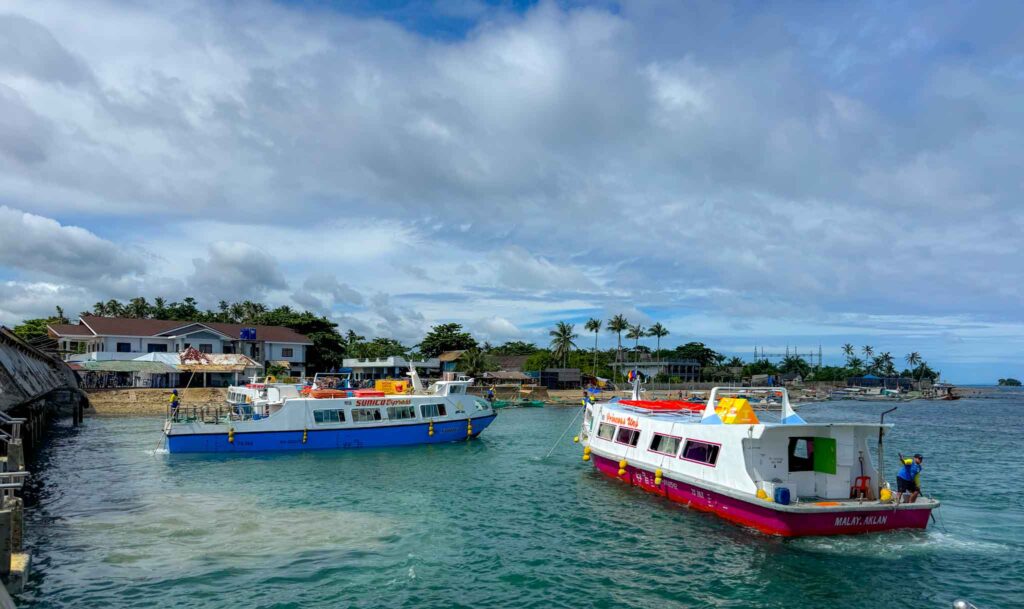
Going Around
- Tuk-tuk or e-tricycles. One of the most convenient and cheapest way to go around Boracay island. You can hop on a shared ride for only Php 15.00 to Php 25.00. However, chartered or private ride may cost up to Php 350.00 from Station 0 to Station 3. You may also opt to rent an e-tricycle that would take you to the tourist destinations in the island for only Php 1,200.00 for 3 to 4 hours.
- Motorbike rental. If you wish to explore at your own pace and on your own, you may try renting a self-drive. Rate starts at Php 1,000.00 up to Php 2,500.00, gas, however, is not included. Rental is only available for licensed drivers.
- Hop-On-Hop-Off (HOHO) buses. The Boracay Hop-On Hop-Off (HOHO) bus is a convenient, air-conditioned shuttle that loops around the island, stopping at key spots like D’Mall (Station 2), Bulabog Beach, Diniwid Beach, Newcoast, Puka Beach, and Cagban Port making it easy to explore without negotiating fares. You can either use a stored-value card (Php 50.00 card cost + Php 10.00 – Php 45.00 per ride depending on distance) or opt for unlimited passes, which are more popular: around Php 300.00 for 1 day, Php 400.00 for 2 days, and Php 500.00 for 3 days, with validity starting upon first tap. It runs roughly every 15–30 minutes from early morning to late evening, making it a reliable option for DIY travelers who plan to visit multiple spots in a day.
Best Places to Stay for Boracay DIY Travel
Station 0
Although not an official designation, Station 0 is a term used for the ultra-exclusive stretch just before Station 1. Compared to the rest of White Beach, this area is known for having the widest, cleanest, and least crowded shoreline. Also, it offers a much quieter and more refined atmosphere. Additionally, access points are limited, and the area is mostly fronted by luxury resorts, which naturally keeps crowds to a minimum. So if you’re staying here, you still get Boracay’s signature powdery sand, but with a more private and premium feel.
Klook.comStation 1
This is where most of the upscale resorts are. It has wider beachfronts, fewer crowds (though it can get crowded at sunset), and some of the most luxurious resorts. It’s also home to Willy’s Rock, one of Boracay’s most iconic landmarks.
Klook.comStation 2
This part of the long stretch of powdery white sand beach of the island is considered as Boracay’s heart. In here, you’ll find almost everything: shops and malls, restaurants, mid-range hotels and nightlife. It’s where D’Mall is located. If you’re after the life of the island and of course, convenience, this is the best station to stay in.
Klook.comStation 3
Station 3 is the most laid-back of the three. While it’s fringed with beachfront mid-range and budget-friendly hotels and restaurants, it has lesser crowds on most days. Except, of course, during the dry season because most of the water activities are relocated in the area due to the change in prevailing winds.
Klook.comBoracay New Coast
This is the more exclusive side of the island located on the northeastern coast. Unlike the busy White Beach, it feels quieter, more private, and significantly less crowded. Here, you’ll find upscale resorts, wider roads, and a more “contained” environment almost like a self-sustained resort community. In addition, the beaches in this area (such as the coves near Savoy and Belmont) tend to be more peaceful in terms of foot traffic; however, waves can be stronger depending on the season. Because of its location, it’s ideal if you’re looking for space, tranquility, and a more secluded stay. That said, it is a bit removed from the main strip, so you’ll need transportation (like the HOHO bus or an e-trike) to reach D’Mall and other central spots.
Things to Do in Boracay
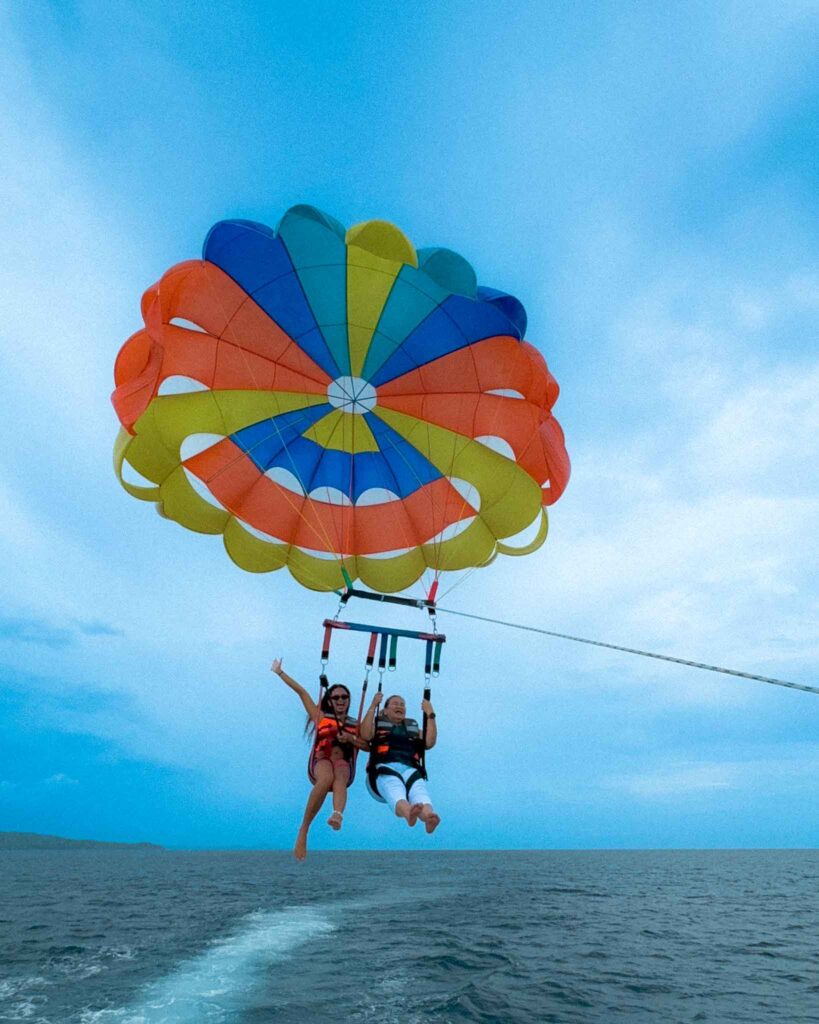
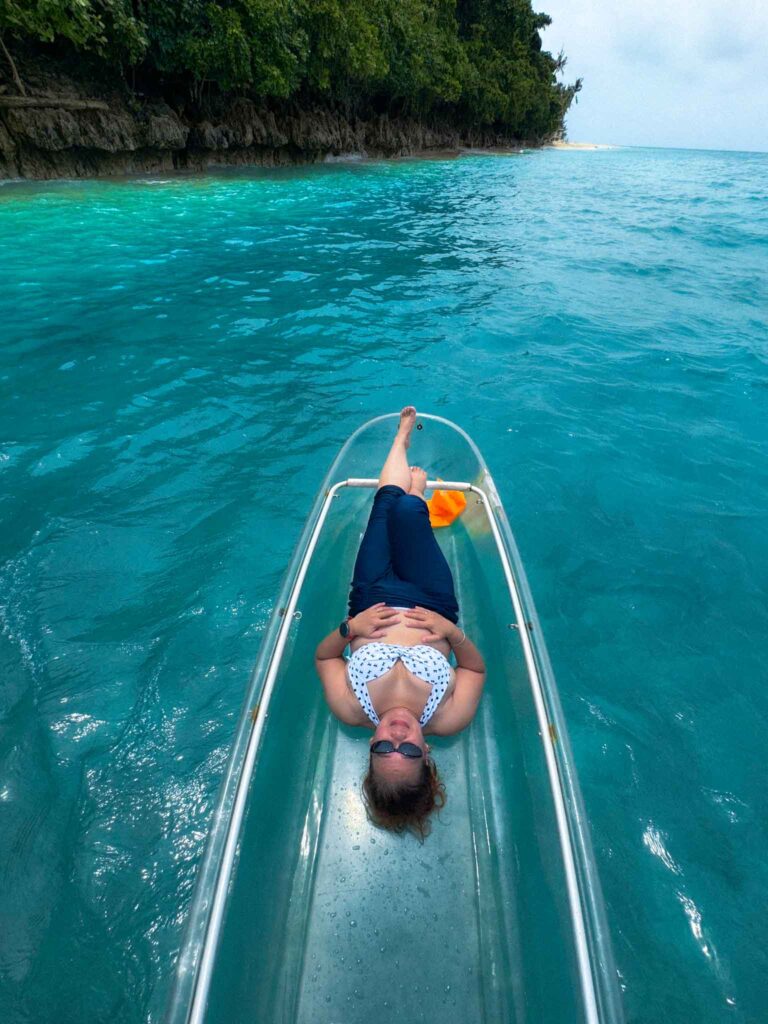
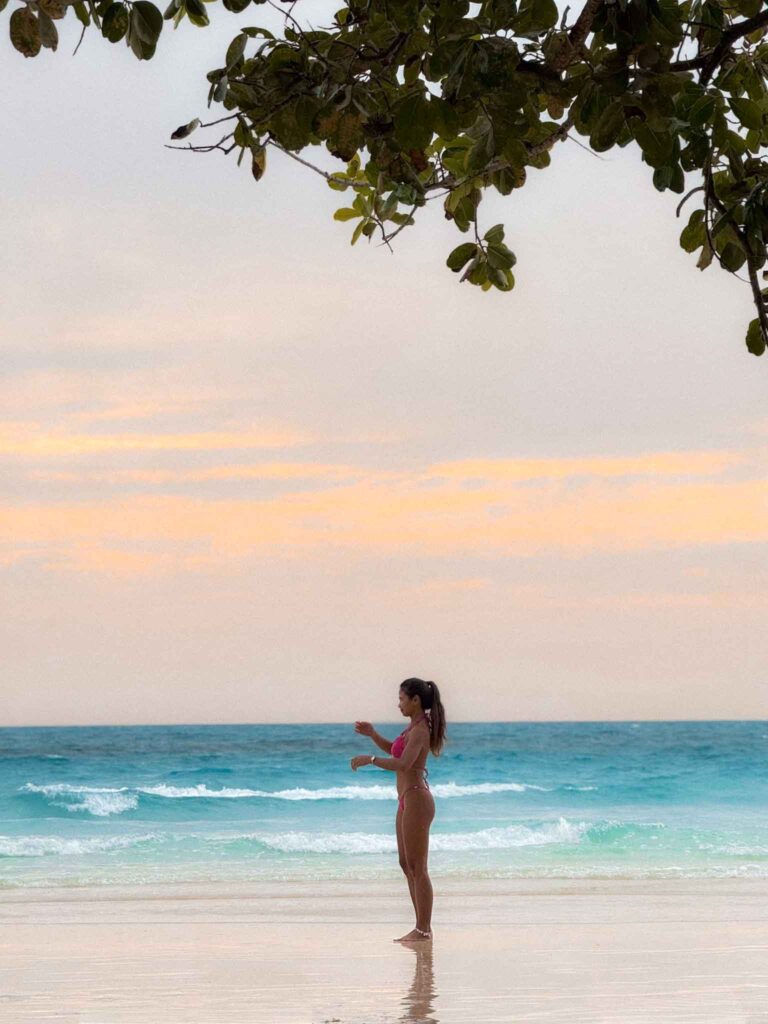
- Watch the sunset at White Beach
- Paraw Sailing at sunset
- Parasailing
- Crystal kayaking
- Diving
- Water sports
- Snorkeling
- Beach hopping
- Food crawl
- Island hopping
- Hopping on a sunset party boat or yacht
- Going off-road with ATV
- Ride a helicopter
- Try Kite-surfing in Bulabog Beach
- Ride a zipline
- Go on a pub crawl
For a detailed list with activity descriptions, locations and rates, read Best Things to Do in Boracay in 2026
Klook.comI do not really recommend doing helmet diving because the guides resort to unethical practices like feeding the fish to let them stay for the photo and even touching corals.
Top Places to Visit in Boracay
White Beach
Boracay’s iconic White Beach is a 4-kilometer stretch of powdery white sand divided into Stations 1–3, and remains free to access for all visitors. Beyond its postcard beauty, it played a central role in Boracay’s transformation from a backpacker hideaway in the 1970s to a world-renowned destination. While most flock to Station 2, quieter and wider stretches can still be found toward Station 1 and the lesser-known Station 0.
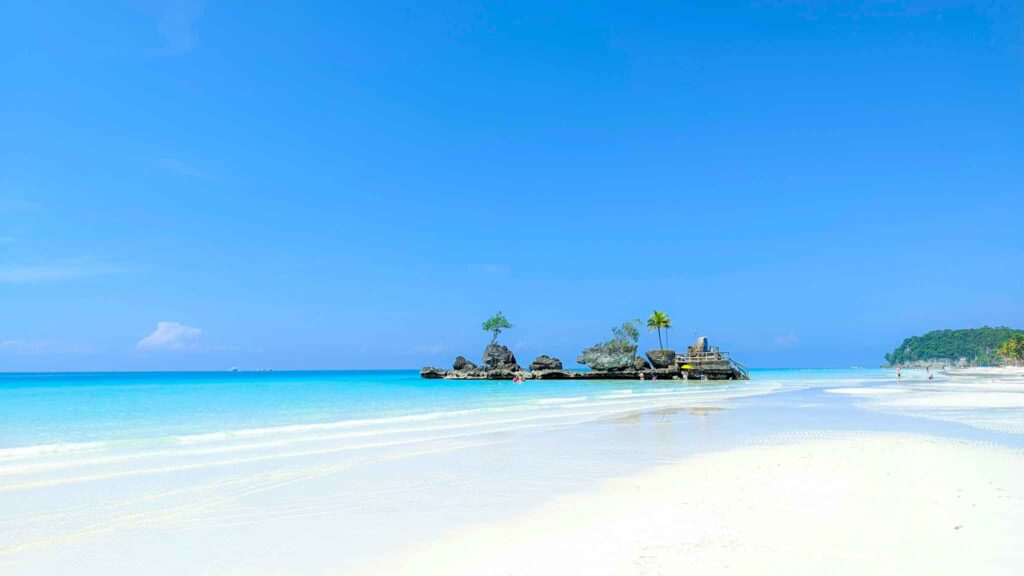
Willy’s Rock
Located in Station 1, Willy’s Rock is a volcanic rock formation topped with a statue of the Virgin Mary, making it both a natural landmark and a place of quiet devotion. It’s freely accessible during low tide, when a short walk across the sandbar reveals its small shrine. Beyond its photo appeal, it reflects the strong Catholic influence embedded in local island life.
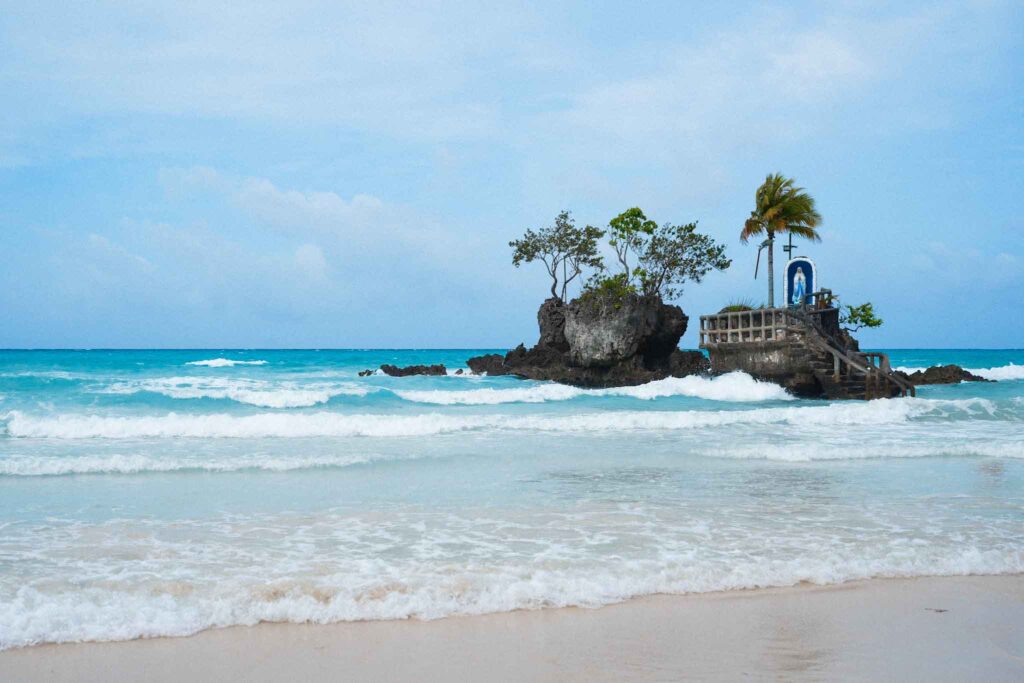
Puka Beach
On Boracay’s northern end, Puka Beach offers a more rugged and tranquil alternative to White Beach. Named after the naturally occurring puka shells once abundant along its shore, it was historically a site for local shellcraft. Its stronger waves and lack of large establishments give it a raw, untouched feel that many travelers overlook.
Bulabog Beach
Facing the eastern side of the island, Bulabog Beach is the hub for wind and kite surfing, especially during the Amihan season (November to May). Access is free, and while it lacks the sunset views of White Beach, it holds cultural significance as the island’s watersports center. Its steady winds and more local vibe make it a favorite among long-stay travelers and athletes.
Lambros Point
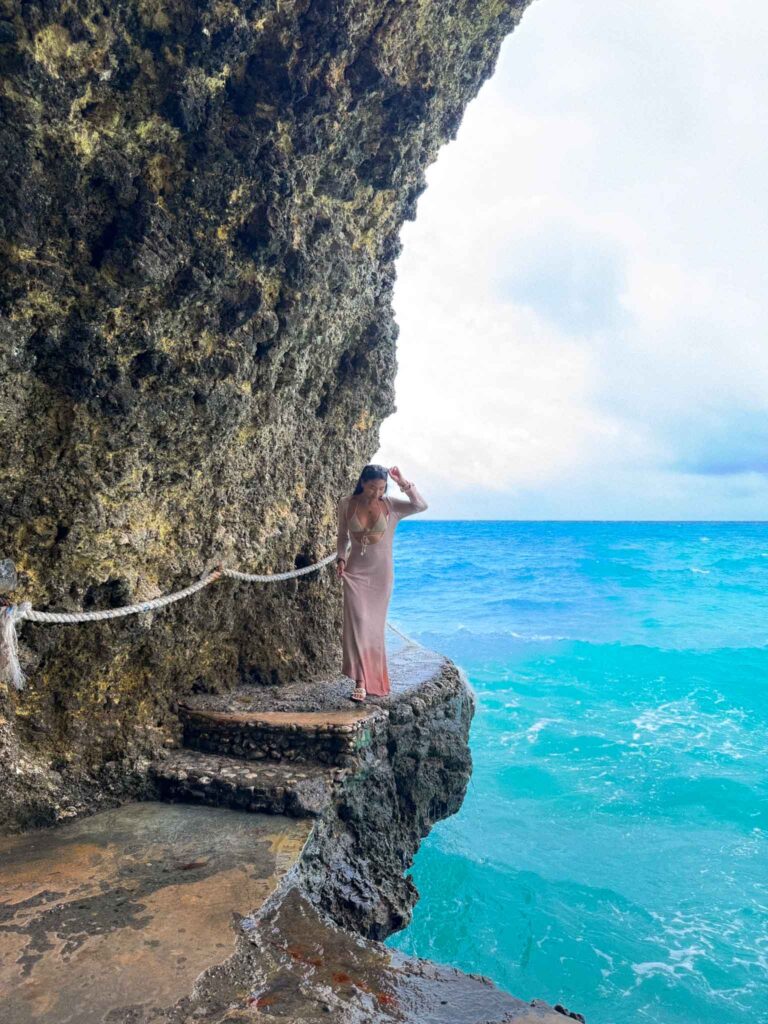
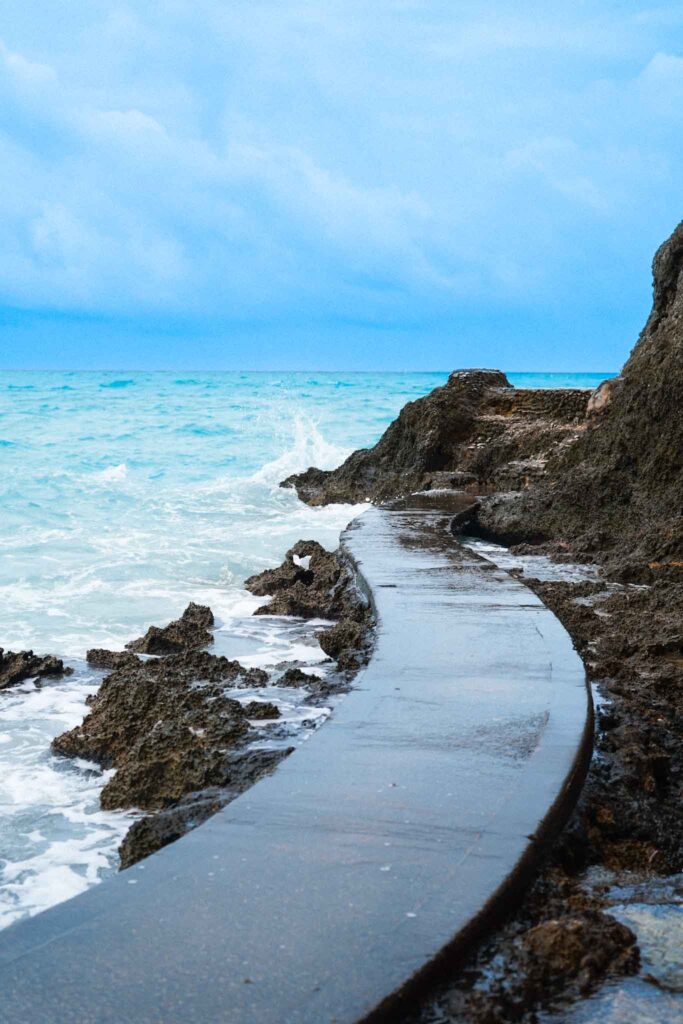
Just beside Diniwid Beach, Lambros Point draws travelers to the island’s northern edge with its view. You can access it for free via a short seaside walk, which adds to the sense of discovery. However, as its popularity continues to rise, expect lines of tourists waiting their turn for that signature photo on the rocks.
Diniwid Beach
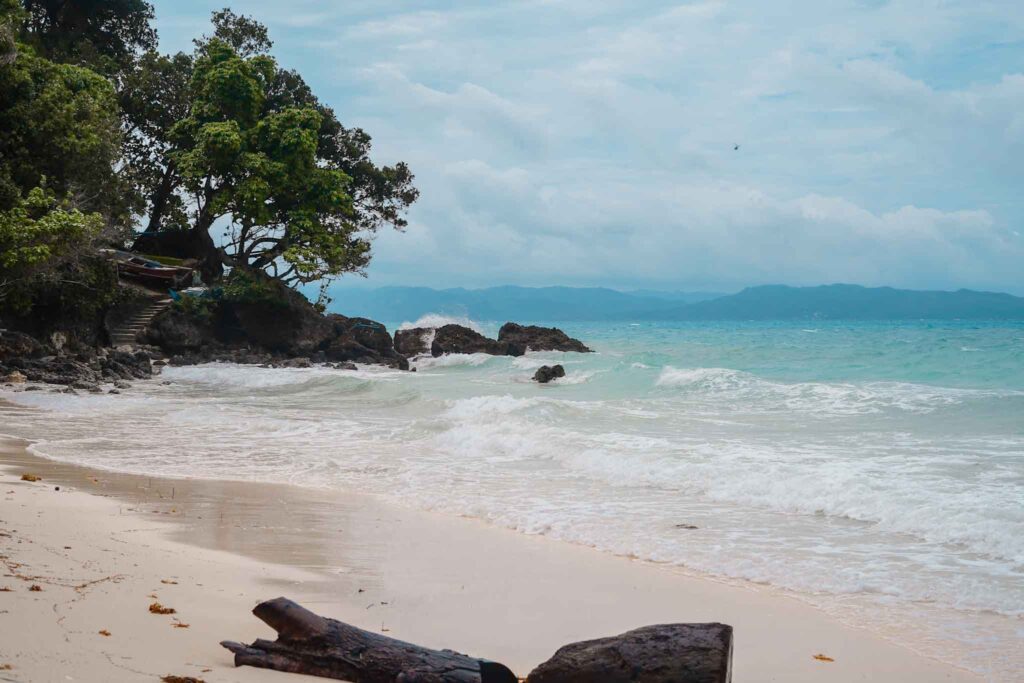
Just a short walk from Station 1, Diniwid Beach is a small cove that offers a more secluded and laid-back atmosphere. Entrance is free, and historically, it served as a quiet retreat before Boracay’s tourism boom expanded outward. Its narrow shoreline and tucked-away location make it feel more intimate compared to the main beach.
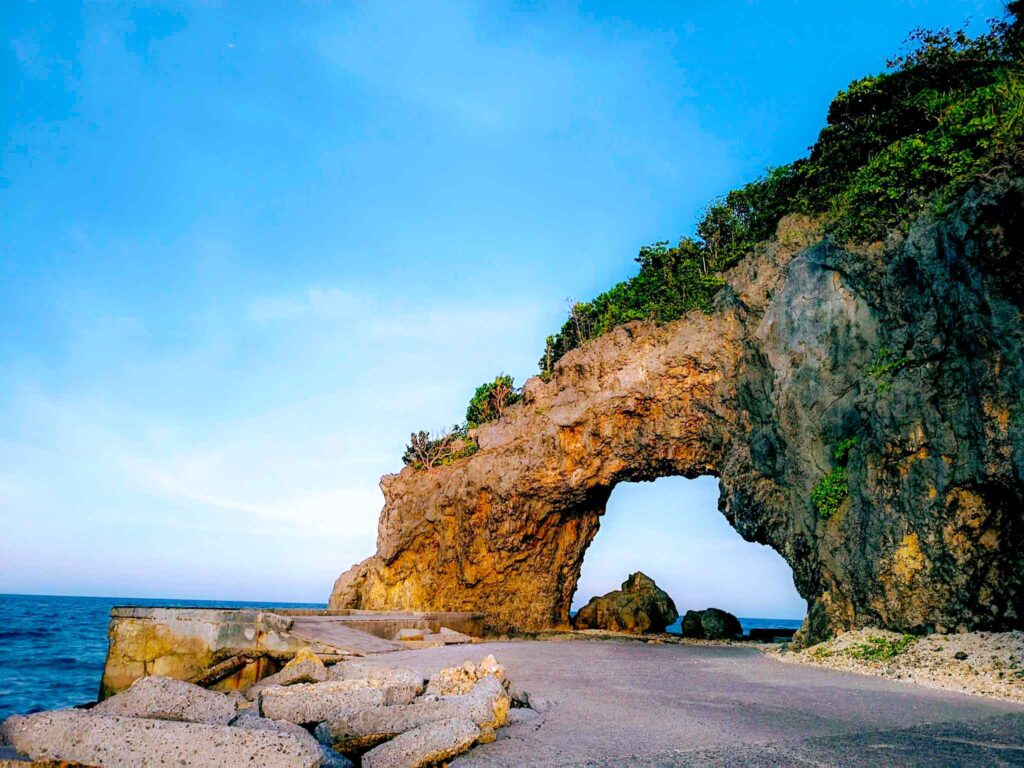
The Key Hole at Boracay New Coast
The Keyhole at Newcoast is a striking natural rock formation shaped like a window to the sea, located within the Boracay Newcoast area. Access is generally free but brace yourself for a line of tourists waiting for their turn for their photo opportunity with the arch.
Sample 4 Days and 3 Nights Boracay DIY Travel Itinerary with Budget
Arrival and Sunset at White Beach (Day 1)
| Time | Activity | Expenses |
| 10:15 AM | Flight to Caticlan Airport | |
| 11:30 AM | Arrival at Caticlan Airport | |
| 11:50 AM | Departure for Caticlan Jetty Port | Php 50.00 |
| 12:00 NN | Arrival at Caticlan Jetty Port | |
| 12:30 NN | Departure for Boracay Island | Php 300.00 *environmental and terminal fee with boat fare |
| 1:00 NN | Arrival at Boracay Island, travel to White beach | Php 50.00 |
| 1:15 PM | Late lunch | Php 500.00 |
| 2:00 PM | Check in | Php 6,000.00 *covers the entirety of stay, a portion you’ll pay after having it divided into 2 or 4 assuming that you traveled in such a group |
| 4:00 PM | Freshen up | |
| 5:00 PM | Wait for sunset at White Beach | |
| 6:30 PM | Dinner | Php 500.00 |
| 8:00 PM | Back to the hotel or go on a pub crawl |
Land Tour with sunset by the waters (Day 2)
| Time | Activity | Expenses |
| 7:00 AM | Breakfast | |
| 8:00 AM | Getting Ready | |
| 9:00 AM | Start of land tour | Php 500.00 *Php 2,000.00/ 4 pax |
| 1:00 PM | Lunch and end of land tour | Php 500.00 |
| 2:00 PM | Back to the hotel, freshen up | |
| 3:00 PM | Bulabog Beach or Station 3 for water activities | Php 1,800.00 (Parasailing) *Php 2,500.00 if flying solo |
| 4:30 PM | Stroll around White beach or hop on a party boat | Php 1,000.00 |
| 5:30 PM | Sunset watching on a yacht or on a Paraw sail boat | Php 1,250.00 *Php 2,500.00 for 2 people, additional Php 500.00 on top of the base rate |
| 6:30 PM | Dinner | Php 500.00 |
| 8:00 PM | Back to the hotel or go on a pub crawl | |
Island Hopping and Water Activities (Day 3)
| Time | Activity | Expenses |
| 6:30 AM | Breakfast | |
| 7:30 AM | Getting Ready | |
| 8:00 AM | Start of island hopping | Php 900.00 |
| 1:00 PM | Lunch and end of island hopping | Php 500.00 |
| 2:00 PM | Back to the hotel, freshen up | |
| 3:00 PM | Bulabog Beach or Station 3 for water activities | |
| 4:30 PM | Stroll around White Beach, Crystal Kayaking | Php 250.00 |
| 5:30 PM | Sunset watching | |
| 6:30 PM | Dinner | Php 500.00 |
| 8:00 PM | Back to the hotel or go on a pub crawl | |
Home bound (Day 4)
Time | Activity | Expenses |
| 6:00 AM | Breakfast | |
| 7:00 AM | Pack up | |
| 8:00 AM | Departure from hotel to port | Php 50.00 |
| 8:30 AM | Departure from port of Boracay | Php 300.00 |
| 9:00 AM | Arrival at Caticlan Jetty Port, departure for the Airport | |
| 9:30 AM | Arrival at the Airport, Check in | |
| 10:40 AM | Departure for Manila | |
| 12:00 NN | Arrival at Manila |
This itinerary considers traveling in a group of at least 4 without the plane tickets yet. Your itinerary and budget are highly dependent on your choice of accommodation, the places you want to visit and things you wish to try in the island. If you only opt to lounge mainly at White beach or visit the spots that are mostly free unless involving land or boat transfers, you can definitely save a lot. But if it’s your first time, of course try the iconic activities.
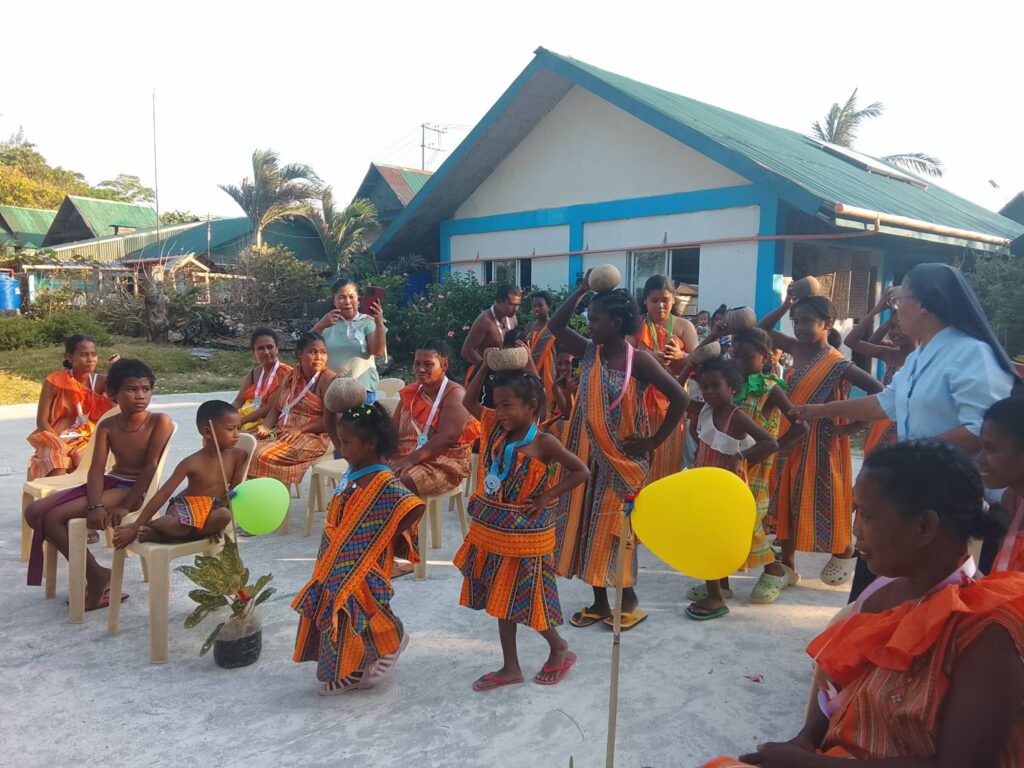
I would also suggest visiting the Ati Tribe Village, the only remaining home of the island’s first settlers in Manoc-Manoc, Boracay. You may support them through getting in touch with the Boracay Ati Tribal Organization.
Practical Tips for your Boracay DIY Travel
- If you’re bringing large luggage, choose your accommodation carefully, as some beachfront hotels have no direct road access and can be difficult to reach. Before booking, always check the property’s exact location and whether it is accessible by road to avoid unnecessary hassle on arrival.
- Although many establishments in Boracay now accept cashless payments, it is still best to carry enough cash. In particular, transportation, local vendors, and some tour activities may still prefer cash transactions, so having it on hand ensures smoother travel.
- When planning your trip, time it wisely. Ideally, avoid the Habagat season, as strong winds and rough seas often lead to canceled boat transfers and water activities. Likewise, be mindful of the algal bloom period, which typically occurs from February to May and peaks around March, as this can affect water clarity along certain parts of White Beach.
- Finally, manage your expectations when it comes to pricing. During peak season (November to May), rates for accommodations, tours, and even food can significantly increase due to high demand.
Boracay DIY Travel Guide, in a Nutshell
Boracay is often remembered for its postcard-perfect shoreline, but it is ultimately more than just a destination. It is a place shaped by layers of history, change, and quiet resilience. As you move from its sunlit beaches to its hidden corners, you begin to see that its beauty is not only found in what is visible, but also in the stories that have shaped it over time.
So as you leave the island, don’t just take photos. Take with you a deeper sense of appreciation for how Boracay continues to evolve while holding on to what makes it truly special.

Anne Elizabeth Gumiran
Anne Elizabeth Gumiran, also known as Queenie, is a 20-something, full-time public school teacher, a part-time travel blogger and a freediver. She started putting her stories of adventures and misadventures into words and pictures in 2017 and continues to do so as she shares her advocacy, Sustainable Traveling.


You May Also Like

Dine Under the Stars in Tagaytay City by Taal Vista Hotel

Break Free with Pico Sands Hotel
