
The Ultimate Kalanggaman Island Travel Guide 2026
I’ve heard and seen so much about Kalanggaman island that even after stepping foot in Tacloban city and visiting a significant historical landmark, I still considered the province of Leyte ‘unchecked’ in my Project 82 unless I see this island’s impossibly perfect hues of blue surrounding a dazzling sandbar in the flesh. Ever since I’ve learned about it, it’s been in my proverbial list of islands in my homeland I should see before I die. In March 2026, I woke up early on a random Friday, hopped on a boat and traveled two hours from Malapascua to this island on a whim. It was among my best, impulsive decisions ever. Here’s why.
About Kalanggaman Island
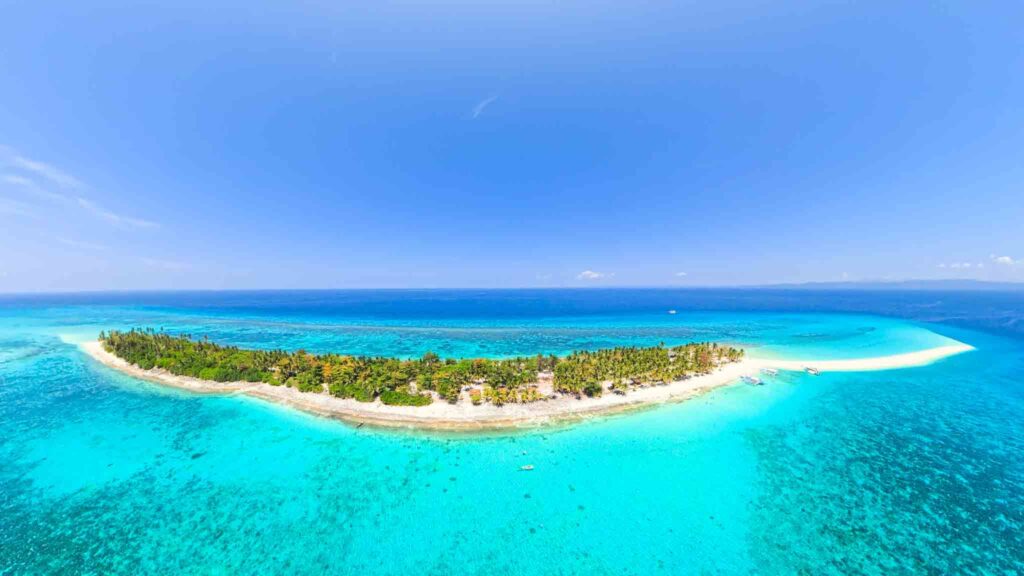
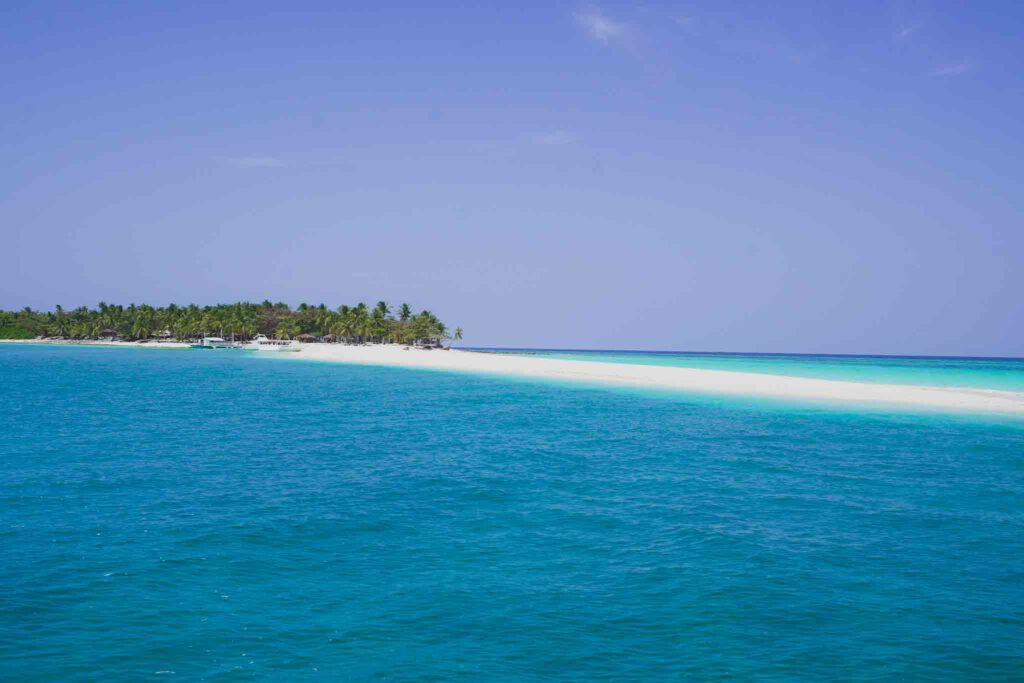
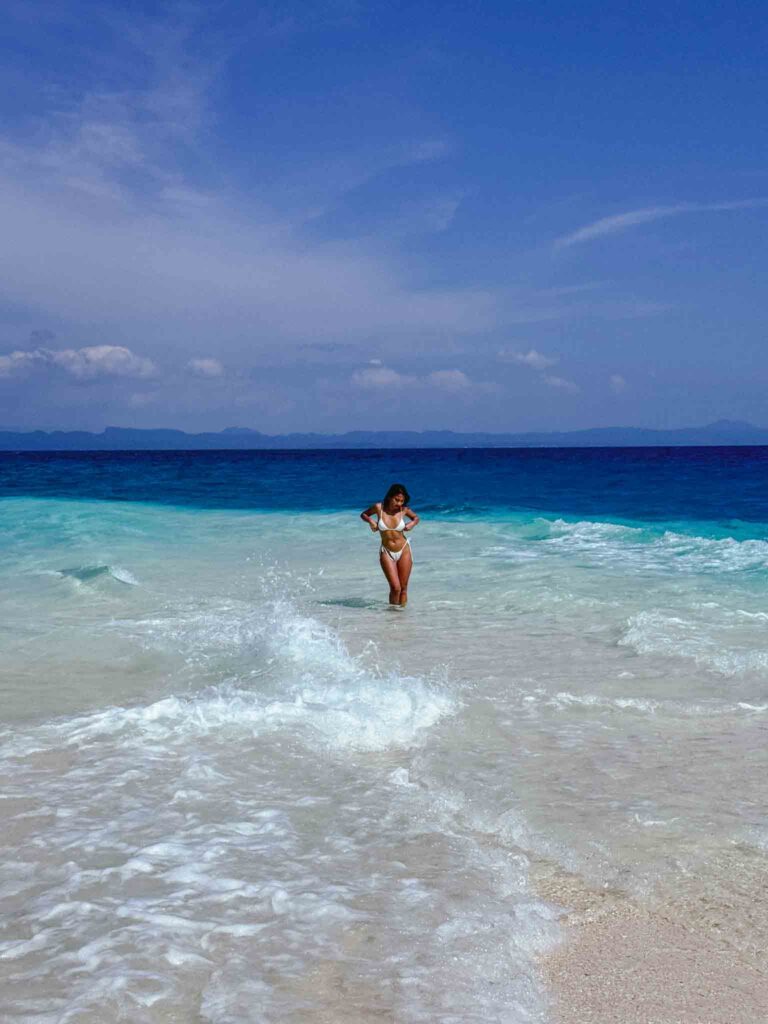
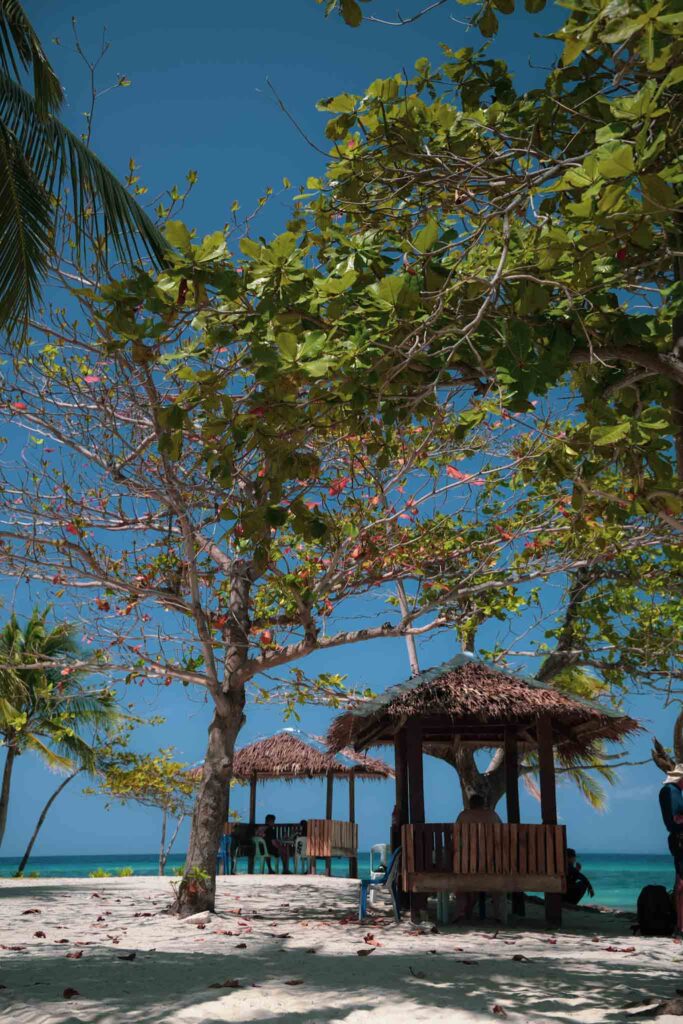
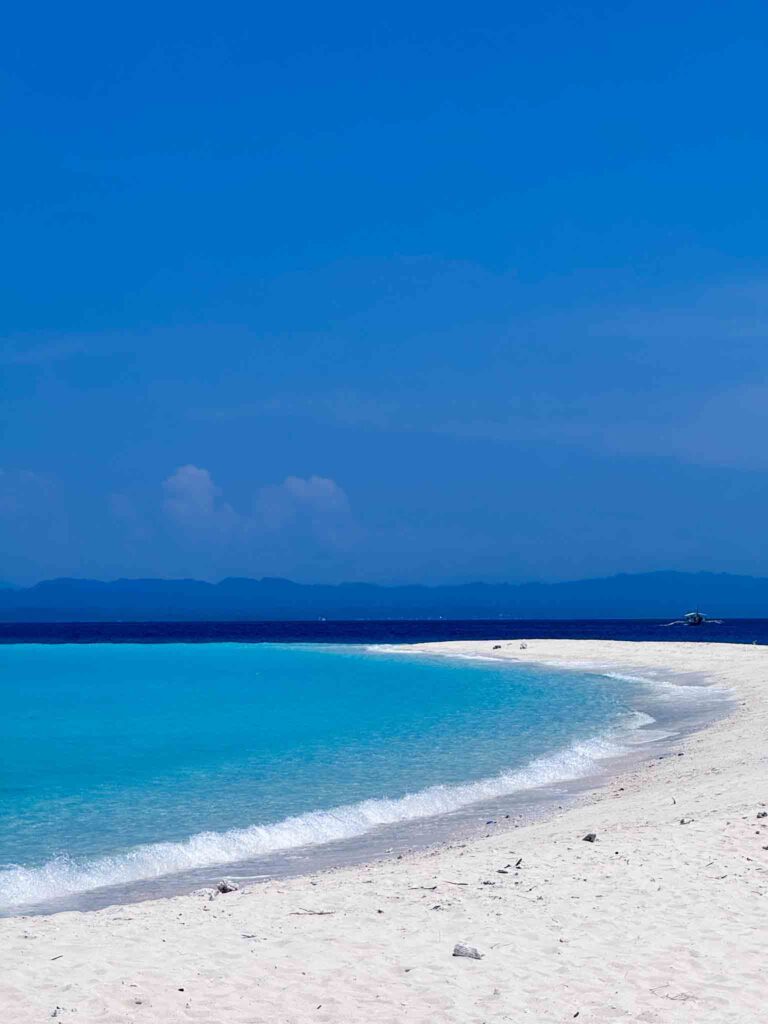
The word Kalanggaman came from a Cebuano/ Visayan word langgam which means bird. Because from above, this roughly 753-meter long island sand bar resembles the shape of one. The island sits between the north of Cebu and west of Leyte – its usual jump offs. Kalanggaman is almost surrounded by a creamy, grainy sand beach specked with broken shells and corals that looked bone white under a bright, sunny sky. It has a stretch of sand bar on both ends and a rocky shore on both sides, fringed with coconut and what I believe are ‘talisay’ or Indian almond trees. It is surrounded by crystal clear waters in stunning hues of blue, with shades ranging from teal and azure to cerulean and cobalt.
The best time to visit the island, of course, is during the dry season which runs from March to the May. This, however, would mean sharing the island with crowds. While it may be an ideal destination all year round, the waves can get rough making sailing unsafe hence leading to trip cancellations especially during the wet season which peaks from July to October. Nevertheless, it would still be best to check the weather and updates from the Coast Guards’ official pages (Western Leyte and Malapscua) regarding the operational status changes.
Surprisingly, there’s good reception or mobile phone signal in the island for both Smart and Globe. It is good enough to connect to the internet, too.
What to Expect
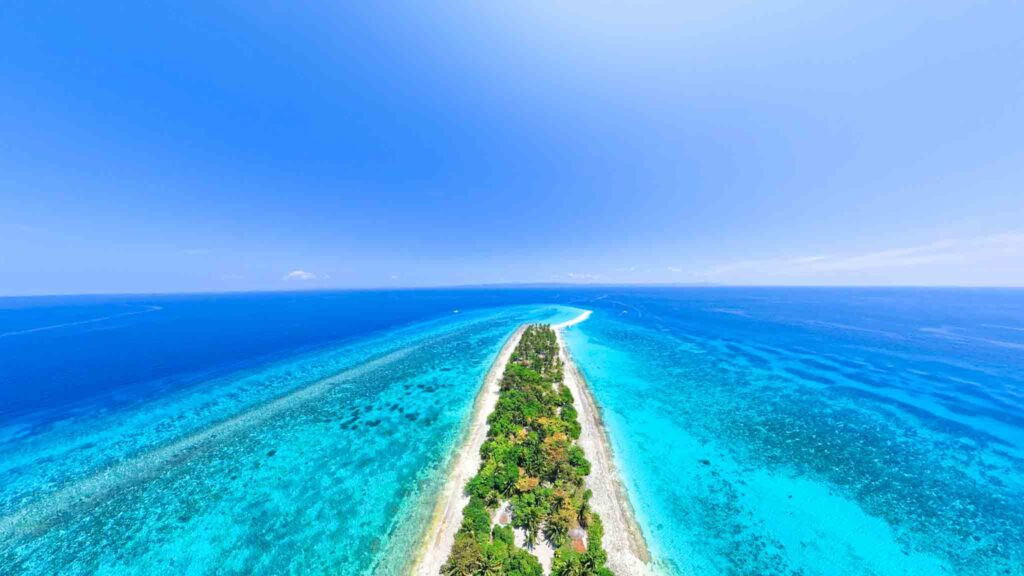
An island straight out of a summer daydream. That’s how I’d put it. In fact, I’m glad my whim took me to the island on a good, sunny day in March despite the wild waves brought by the northeast monsoon (Uhm, hello climate change, I guess?). The clear skies at noon brought out its best summer colors. The hues of blues were bursting from sky to the ocean. The air was salty and humid enough to lure you into dipping into its crystal clear waters. The sand would tempt you to run around on barefoot or dig your feet into it as they look fine but do not be deceived. To my surprise, I even stepped on a shard and limped my way to the medic station.
There’s nothing much to do but to swim, lounge, snorkel or dive (if you have the proper gear) or probably play beach volleyball (given that you have the ball) and that’s the whole point of it – to get away and relax as you should. But here’s the catch: it’s going to be a raw camping experience shall you decide to stay especially overnight. It isn’t for the fussy and picky ones unless you brought with you everything you want and need.
How to Get There
Kalanggaman Island From Palompon, Leyte
The main jump off to Kalanggaman island is Palompon, Leyte. From there, you can arrange a boat transfer through the Palompon Eco‑Tourism Office or Liberty Park port area. You may also opt to join a joiner arrangement with other travelers especially if you are traveling solo or in small group.
Manila via Tacloban City
- Fly to Tacloban (Daniel Z. Romualdez Airport) from Manila.
- From the airport, take a tricycle or taxi to downtown van terminals like Duptours or Van Vans.
- Ride a van to Palompon (about 3–4 hours)
- Walk or ride a short pedicab to the Palompon Eco‑Tourism Office to register and arrange your boat ride to Kalanggaman.
- Take the boat to Kalanggaman Island (about 1 hour).
Manila via Ormoc
- Fly to Ormoc (usually via Cebu).
- From Ormoc Airport or pier, take a van or bus to Palompon (about 1.5 hours).
- Proceed to the Eco‑Tourism Office and arrange the final boat transfer to the island.
From Cebu
You have a couple of routes from Cebu depending on how you want to travel:
- By ferry to Palompon — some ferry lines sail from Cebu Pier to Palompon Wharf (about 5–6 hours) then you take a short ride to the tourism office and board your Kalanggaman boat.
- By land to Leyte — take a bus or van to northern Leyte (via Bogo/Polambato), then travel onward to Palompon and arrange your boat.
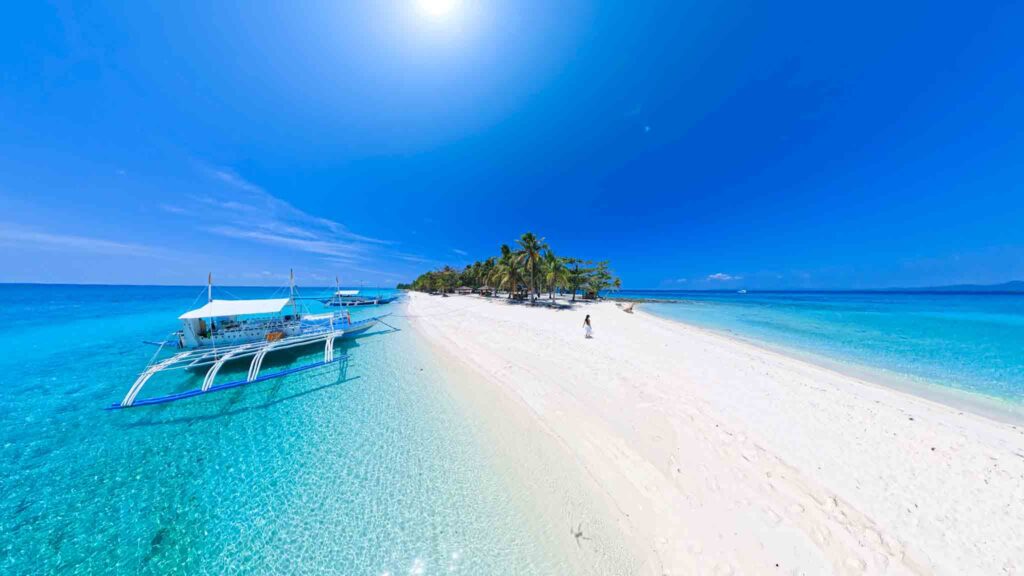
Kalanggaman Island from Malapascua Island, Cebu
Another known jump off to Kalanggaman Island is Malapascua in northern cebu. You have 3 options coming from here: a diving trip, a joiners’ trip or a private trip.
Diving Trip from Malapascua
Dive shops and centers from Malapascua island offer a side trip or a dive to Kalanggaman as part of their thresher shark dive in Kimud shoal depending on how many divers would be interested about it.
Joiners’ Trip from Malapascua
This is probably the cheapest way to explore Kalanggaman island especially if you are traveling solo. This is the exact thing I did. I asked the habal drivers around for a trip to Kalanggaman and they referred me to boatmen or local tour operators in the island who do regular joiners trip to the island. For only Php 1,800.00 (as of March 2026), I embarked on a two-hour boat ride with 19 other people to Kalanggaman, island-style lunch and entrance/ environmental fees included. However, we only stayed for literally half a day because it was only a day trip and we need to be back to avoid the rough seas.
Private Trip from Malapascua
Shall you decide to go on a private trip from Malapascua island, you may rent a boat for ₱ 7,000 good for about 30 people for the whole day.
Boat Transfer & Booking Tips
- Boat rentals from Palompon vary by group size, It ranges from ₱4,500–₱6,000 for a private roundtrip (good for 1– 35 persons).
- Some travelers share boat transfers (joiners) depending on group size and season.
- Weather conditions matter! Trips can be canceled when seas get rough, especially during the wet season. It’s wise to check with local tourism or boat operators before your travel date.
Important Fees in Kalanggaman Island
Entrance Fees
| Day Tour – Non-Palompoganon/ Local Tourist | ₱ 300.00 |
| Day Tour – Foreign Tourist | ₱ 1,000.00 |
| Day Tour –Senior Citizen | ₱ 240.00 |
| Overnight – Non-Palompoganon/ Local Tourist | ₱ 450.00 |
| Overnight – Foreign Tourist | ₱ 1,500.00 |
| Overnight –Senior Citizen | ₱ 360.00 |
Boat Rental Rates (From Palompon, Leyte only)
| 1 – 20 persons | ₱ 4,500.00 |
| 21 – 25 persons | ₱ 5,000.00 |
| 26 – 30 persons | ₱ 5,500.00 |
| 31 – 35 persons | ₱ 6,000.00 |
Useful Tips for your Kalanggaman Island Trip
- There are no restaurants nor eateries in the island. There’s a small variety store but only of limited items. Bring your own food, snacks, water and personal medicine especially if you are staying for the whole day or overnight.
- There’s no ATM in the island. Make sure you bring enough cash with you to pay for the fees.
- There are toilets and changing rooms but there’s no tap or fresh water in the island. They also do not allow the use of soaps and shampoo in the island. Thus, you can only shower once you’re back in the mainland.
- There’s no source of electricity in the island. Bring your own power banks or power supplies especially if you are staying for a long time.
- Use only reef-safe sunscreen when swimming.
- Do not swim around or at end of the sandbars as you may get caught in rip currents.
- If you wish to snorkel or dive, bring your own gear or rent from the main land prior to your trip as there are no rentals in the island.
- There are grilling stations in the island but if you wish to cook, you must bring your own cook set, utensils – even charcoals or butane stoves. Just make sure that you’ll take everything with you back in the mainland especially you’re trash.
- There are cottages (Php 375.00 to Php 6,000.00) and huts for overnight stays in the island but these are not free. If you decide to stay for a night, bring your own slumber bag set. It would also help to bring insect repellent.
Explore Eastern Visayas Region
You may also want to read these travel guides to the top destinations in the region:
- Sohoton Caves and Natural Bridge Park Travel Guide
- The Ultimate DIY Limasawa Island Travel Guide 2026
- Linao Cave Travel Guide: A Cenote in Eastern Samar, Philippines
- Sambawan Island DIY Travel Guide (Budget + Itinerary) 2026

Anne Elizabeth Gumiran
Anne Elizabeth Gumiran, also known as Queenie, is a 20-something, full-time public school teacher, a part-time travel blogger and a freediver. She started putting her stories of adventures and misadventures into words and pictures in 2017 and continues to do so as she shares her advocacy, Sustainable Traveling.


You May Also Like

2025 MT. GULUGOD BABOY DAY HIKE GUIDE (Budget + Itinerary)

Domelis Camping Site: A Haven for Campers in Cavinti, Laguna
